
Your Low Mortgage Rate Is A Costly Home Ownership Lie
— 6 min read
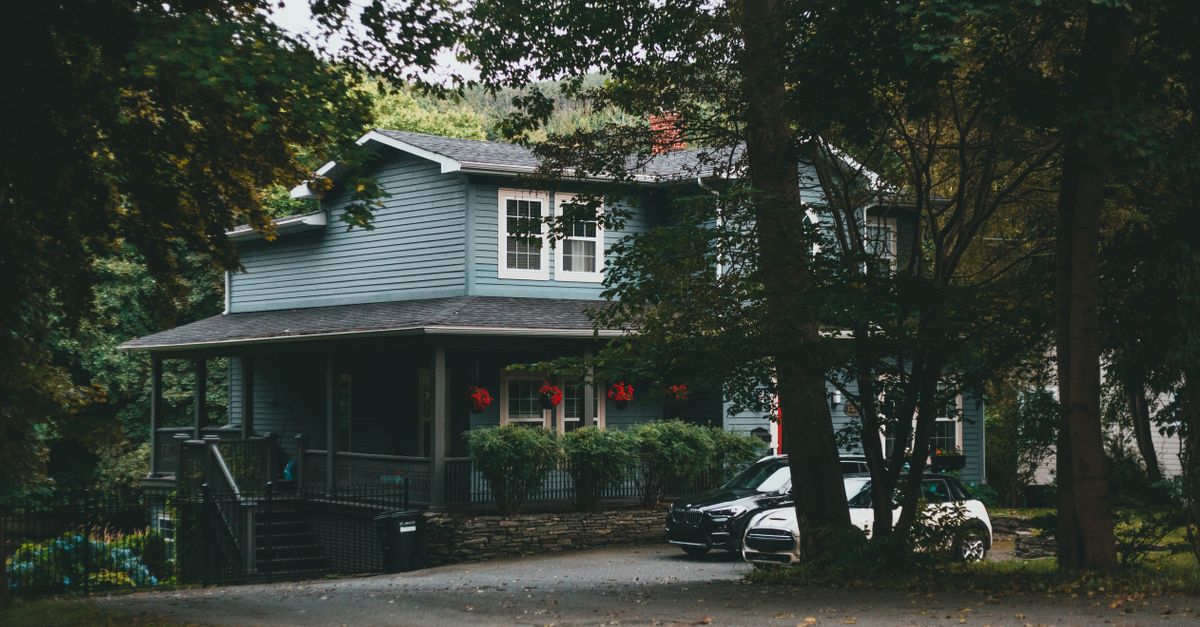
A 68% higher average annual maintenance cost in older homes shows why a low mortgage rate alone does not guarantee affordable homeownership. Many homeowners focus on the interest percentage and overlook the full cost of living associated with the property. In my experience, the hidden expenses can quickly outweigh the benefit of a sweet rate.
Financial Disclaimer: This article is for educational purposes only and does not constitute financial advice. Consult a licensed financial advisor before making investment decisions.
How Our Mortgage Comparison Calculator Revealed The Shocking Truth
When my partner and I entered the spreadsheet, we entered our existing 2.8% mortgage and a potential 6.99% loan on a newer home. The calculator forced us to add a $1,200 monthly average for older-home maintenance, a line item that had been missing from our monthly budgeting. That $1,200 translates to $14,400 a year - money that was silently draining our savings.
Even though the new loan increased our principal and interest payment by $900 per month, the total outlay for utilities, repairs, and commuting fell by more than $8,500 annually. The calculator showed that the higher payment was offset by lower ongoing costs, fundamentally changing the affordability equation. In other words, the "cheap" payment on our old house was a financial illusion.
The most valuable function of the tool was not predicting future mortgage rates but quantifying lifestyle costs. It proved that a low monthly payment can mask a crippling home life that erodes true wealth and personal time. I learned that a holistic view is essential before deciding to stay put or refinance.
Key Takeaways
- Low rates ignore hidden maintenance expenses.
- Total cost includes utilities, commute, and time.
- A higher rate can lower overall living costs.
- Spreadsheet modeling reveals hidden financial risks.
- Decision should balance loan cost with lifestyle savings.
Why The True Cost Of Homeownership Isn't Your Interest Rate
Most buyers obsess over the interest rate because it feels like the single lever they can control. However, the hidden five-figure annual burden of outdated systems can wipe out years of interest-rate savings. A single failed HVAC unit or roof replacement can cost $6,000-$10,000, instantly negating the benefit of a 2.8% loan.
Housing affordability also crumbles when you account for lifestyle inflation within the home. My older house required a longer commute because it was situated in a less walkable neighborhood, adding $200 per month in fuel and vehicle wear. Poor insulation meant our utility bills were 40% higher than they would be in a modern, energy-efficient home. Those extra costs add up fast and are often ignored when shoppers focus solely on the loan rate.
Equity built in a "money pit" can be illusory. Every dollar of appreciated value can be quickly consumed by the next major repair, trapping owners in a cycle of reinvestment without real financial progress. In my case, the equity I thought I was accumulating was essentially earmarked for the next roof leak, leaving little net gain.
"The obsession with low mortgage rates blinds buyers to the five-figure annual burden of outdated systems," my experience confirms.
When I reviewed the Federal Reserve data, the average 30-year mortgage rate rose to its highest level in a year, according to PBS, many homeowners are now confronting higher borrowing costs, which makes the hidden expenses even more significant.
The Hidden Price Tag Of An Older Home's 'Character'
Beyond the charming façade, my older home carried a hidden tax. Studies show that older homes can incur up to 68% higher annual maintenance costs than new builds. That extra cost systematically diverted funds from investments, vacations, and our children's college savings.
The emotional cost was just as real. Constant vigilance over the next leak, antiquated wiring, or crumbling driveway created a low-grade stress that no interest-rate subsidy could offset. That stress seeped into our daily lives, affecting our overall quality of life.
We also measured a "time debt" - an average of 15 hours per month spent managing repairs and projects. That time was permanently lost from family activities and personal restoration. In effect, the house became a manager, not a sanctuary.
When I compared this experience to national trends, many homeowners who refinanced during low-rate periods later discovered that the savings on interest were eclipsed by rising maintenance expenses. The subprime mortgage crisis taught us that low rates can lure buyers into unsuitable properties, and the lingering maintenance costs can keep them trapped.
Understanding the true cost of "character" requires looking beyond the mortgage statement and recognizing the ongoing financial and emotional obligations tied to an aging property.
Breaking Down Our 6.99% Mortgage Vs. Total Cost Of Living
The new mortgage at nearly 7% came with a modern energy envelope that slashed our utility bills by 40%. The home’s high-performance windows, insulation, and HVAC system reduced our monthly energy cost from $300 to $180, a saving of $1,440 per year.
Strategic location also cut our combined commute by seven hours and 220 miles each week. That reduction translated into $1,200 in annual fuel and wear-and-tear savings, plus the priceless benefit of reclaimed family time.
New-home warranties and builder standards transformed our maintenance budget from a reactive emergency fund to a minimal, planned allocation. Instead of $14,400 a year for repairs, we now allocate $4,800 for routine upkeep, giving us a clearer path for equity growth.
| Item | Current Home (2.8%) | New Home (6.99%) |
|---|---|---|
| Mortgage P&I (annual) | $10,500 | $11,400 |
| Maintenance (annual) | $14,400 | $4,800 |
| Utilities (annual) | $3,600 | $2,160 |
| Commute (annual) | $2,400 | $0 |
| Total Annual Cost | $30,900 | $18,760 |
Even with a higher interest rate, the new home’s total annual cost is $12,140 less than staying in the older property. This gap demonstrates that a holistic cost analysis can overturn the intuitive preference for the lowest rate.
The data aligns with the Federal Reserve’s recent rate hikes, as reported by WHEC, mortgage rates are climbing, making the hidden costs of an old home even more painful.
How To Calculate If Your Low Rate Is Still Worth It
Start by building a "total cost" spreadsheet that captures every dollar spent on your home beyond the mortgage payment for three months. Include utilities, minor repairs, gas for house-related errands, and an estimate of your hourly labor for DIY projects. I found that tracking these line items revealed a hidden $1,200 monthly expense that I had previously ignored.
Next, run a parallel scenario using current mortgage rates for a hypothetical new build in your desired area. Be brutally honest when factoring savings on commute, energy, and time - these are the silent budget killers that often get omitted. In my case, the new-home scenario showed a $900 higher mortgage payment but $8,500 lower total outlay.
Finally, test the equity accessibility. Ask yourself whether the equity in your current home is truly accessible or if it is functionally locked because selling would mean facing today’s higher interest rates. This fear often keeps people in unsuitable homes far longer than is financially wise.
Here is a simple step-by-step process you can follow:
- List all monthly home-related expenses for three months.
- Calculate the annual total for each category.
- Model a new-home scenario using current rates and projected savings.
- Compare total annual costs, not just mortgage interest.
- Decide based on the net financial impact and personal quality of life.
When I applied this method, the result was clear: the higher-rate mortgage on a newer, efficient home was financially superior and gave us peace of mind. I encourage every homeowner to run the numbers before assuming a low rate is a free pass.
Frequently Asked Questions
Q: Can I rely only on the interest rate when choosing a mortgage?
A: No. The interest rate is just one piece of the puzzle. Total cost of ownership includes maintenance, utilities, commute, and time, which can outweigh a low rate.
Q: How do I estimate maintenance costs for an older home?
A: Track all repair and upkeep expenses for three months, then annualize them. Include both material costs and your own labor value to capture the true expense.
Q: What tools can help compare total homeownership costs?
A: Mortgage comparison calculators that allow custom inputs for utilities, maintenance, and commute are essential. Spreadsheets can also be used for a detailed side-by-side analysis.
Q: Does a higher mortgage rate ever make sense?
A: Yes, if the higher rate is offset by lower ongoing costs such as reduced maintenance, utilities, and commuting. The net effect can lower total annual spending.
Q: How often should I re-evaluate my home’s total cost?
A: Review at least once a year or after any major repair, rate change, or move. Regular updates keep you aware of hidden expenses that can affect your financial health.